
We Were Never Meant to Live Like Machines: Rethinking Winter, Work, and Christmas

This line of thinking started with a simple winter observation: it’s dark when we leave the house, and it’s dark again when we come home—and somehow we’ve decided that’s normal.
From there, my thoughts landed on Christmas. Not the idea of it, but the way we now “celebrate” it. The rushing, the spending, the packed calendars, the pressure to perform joy at the exact moment the natural world is asking us to slow down.
I can feel the tug-of-war in myself—the longing for quiet, meaning, and presence, and the equally strong pull of expectations, tradition, and obligation. When I looked closer, it began to feel less like a personal failing and more like a deep mismatch.
Christmas, at its origins, wasn’t about speed or excess. It was about light in darkness. About pausing. About gathering close and remembering what actually matters.
This essay is my attempt to sit honestly in that tension and ask whether the way we’re living—and celebrating—has drifted far from what our bodies, the season, and even Christmas itself were always pointing us toward.

A winter remembering
Somewhere along the way, we began to confuse productivity with purpose.
We wake up to alarms, measure our days in outputs, and feel a low-grade guilt when we rest. Even in winter. Even at Christmas. Even when the land itself is saying, slow down.
This didn’t happen overnight, and it didn’t happen because humans suddenly changed. It happened because our systems did.
Before factories, before clocks ruled our lives, before inboxes followed us into our bedrooms, humans lived by rhythm. Light and dark. Planting and harvest. Work and rest. Feast and fast. Winter was not a problem to solve—it was a season to honor.
Winter was when stories were told. Tools were repaired. Babies were rocked longer. Elders were listened to. The world went quiet on purpose.
Then came the Industrial Revolution, and with it a new idea: that time could be owned, optimized, and extracted. The clock replaced the sun. Efficiency replaced meaning. Humans were expected to keep pace with machines, not the other way around.
By the time computers arrived, we were already conditioned.
Technology didn’t create the pressure—it amplified it. Faster tools didn’t give us more rest; they raised expectations. The moment machines could work nonstop, humans were quietly expected to try.
And now here we are, in winter, wondering why we’re exhausted.
Our bodies know better.
Our nervous systems are ancient. They evolved for cycles, not constant acceleration. For community, not isolation. For hands in soil, not endless screens. For long nights by the fire and shorter days of effort.
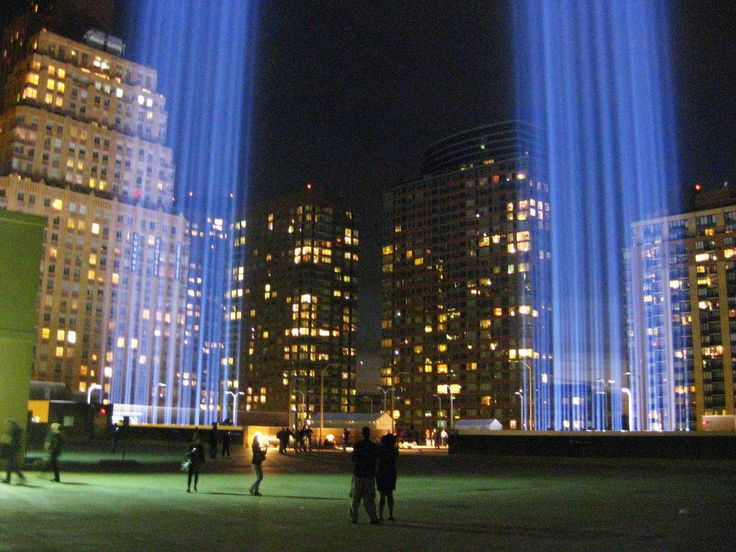
Even Christmas—before it became a season of rush and consumption—was rooted in this remembering. It was a pause in the darkness. A candle lit. A promise that light returns, but not by force. By timing.
The problem isn’t that humans aren’t productive enough.
The problem is that we forgot what productivity was ever for.
We were meant for:
Care — of children, elders, land, and one another
Creativity — born from boredom, play, and spaciousness
Relationship — not transactions, but belonging
Rhythm — knowing when to act and when to rest
Nature still lives this way. Trees don’t apologize for dormancy. The earth doesn’t hustle through winter. Seeds are not lazy underground—they are preparing.
What if we remembered that?
What if winter wasn’t something to push through, but something to listen to?
What if rest wasn’t earned, but essential?
What if being human was enough?
As AI and automation surge forward (admittedly AI helped refine this essay), this remembering becomes even more important. If machines can produce endlessly, then the human role is not to compete—it is to tend. To nurture. To imagine. To hold meaning.
This season invites us back to that truth.
Not to do more.
Not to be faster.
But to be human again.
So light the candle. Close the laptop a little earlier. Let the dark be dark. Let winter do its quiet work in you.
The world doesn’t need more machines.
It needs people who remember how to live in harmony with natures' rhythm.



Comments